How Much Does It Cost to Become an Electrician in 2026?
A realistic, state-by-state-aware breakdown of what it costs to become an electrician: apprenticeship vs. trade school, tools, exam fees, CE, and contractor bonds.
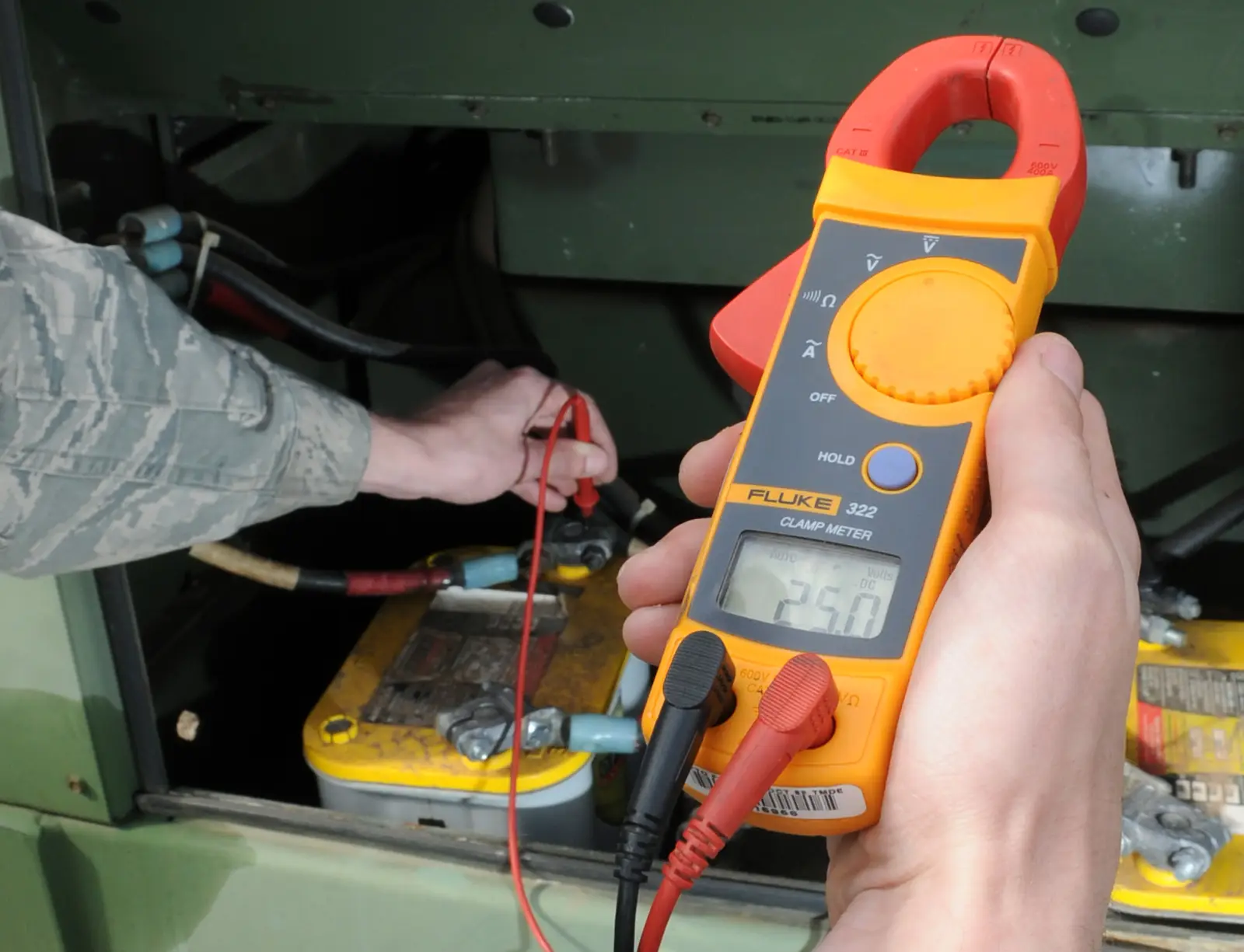
Becoming an electrician is one of the most financially rewarding paths into the skilled trades, but the upfront investment depends heavily on how you enter the field and which state you’re in. Here’s a realistic breakdown so you can budget with confidence.
At a glance
Spec sheet- Apprenticeship route
- $500-$2,500
- total out of pocket over 4-5 years, while earning wages the whole time
- Trade school route
- $4,000-$22,000
- all-in over 12-24 months, before grants and aid
- Journeyman pay after
- $55k-$90k+
- per year depending on region (the ROI that makes either path work)
Where the money goes
Every cost on the road to licensed
Apprenticeship coursework (total)
$0-$1k
Often employer- or association-funded, so you earn while you learn
Trade school / community college
$3k-$20k
Public colleges on the low end, private schools on the high end
Starter tool kit
$300-$800
Builds toward $1,500-$3,000 over an apprenticeship
Exam + application fees (per tier)
$70-$280
CE per renewal cycle
$15-$100
Contractor bond (annual, if independent)
$100-$2k
Premium depends on bond amount and credit
The two paths, and why the choice matters
Apprenticeship
Earn + learn- Tuition often free or under $200/yr: contractor associations fund the training
- Paid from day one: start around 40-50% of journeyman wage, climb to 80-90% by year 4-5
- Evening/weekend classes through IBEW/NECA JATCs or independent programs
- Tradeoff: competitive admission, 4-5 year commitment
Out of pocket: ~$500-$2,500 total
Trade school
Pay + sprint- Programs run 12-24 months, so you’re job-ready faster
- Public community college: $3,000-$8,000 for the full program
- Private trade school: $10,000-$20,000+
- No wages during training, but Pell Grants and state workforce funds can cut costs substantially
Out of pocket: ~$4,000-$22,000 all-in
The critical point on the apprenticeship side: your wages largely offset (or fully cover) every incidental cost. Many apprentices finish with years of paid experience and zero debt, having earned $150,000 or more in cumulative wages before they ever test for journeyman.
Tools: your first real expense
Whether you apprentice or go to school, most programs and employers expect you to show up with your own basic kit.
A reasonable entry-level set (multimeter, voltage tester, wire strippers, pliers, lineman’s pliers, screwdrivers, tool bag) runs $300-$800. You don’t need everything at once; build gradually. A complete journeyman-level setup with a quality drill, conduit benders, and premium hand tools reaches $1,500-$3,000 over the course of an apprenticeship.
Exam and application fees
Fees are modest individually but stack across license tiers:
| Fee | Typical range |
|---|---|
| Journeyman exam | $40-$100 |
| Journeyman license application | $30-$75 |
| Master electrician exam | $50-$130 |
| Master license application | $50-$150 |
| Contractor license application (where separate) | $100-$300 |
Texas, for example, charges modest per-exam fees but licenses each tier separately. See the Texas electrician page for current numbers. Fees change annually, so verify with your state board before budgeting.
Continuing education: the recurring line item
Most states require CE hours before each renewal, typically every two to three years, to keep you current with NEC updates and state rules.
- Online/self-paced courses: $15-$60 per cycle for the required hours
- In-person seminars: sometimes free through IBEW chapters or contractor associations; otherwise $40-$100
Low enough that working electricians treat it as a minor recurring expense. Estimate your renewal timeline and cost with the CE renewal calculator, and see what actually counts toward CE before buying courses.
Going independent: bonds and insurance
Planning to run your own contracting business? Two recurring costs join the list.
Surety bond. Most states require electrical contractors to carry one: a guarantee you’ll perform to code. Bond amounts run $5,000-$25,000, but you only pay an annual premium of 1%-5% of face value depending on credit. A $10,000 bond typically costs $100-$500/year. Ballpark yours with the bond cost estimator.
General liability insurance. For a small electrical contractor, expect $500-$2,500/year depending on state, revenue, and scope; commercial and industrial work runs higher. Add workers’ comp if you have employees (it scales with payroll).
What you’ll actually spend: two scenarios
Scenario A: apprenticeship to journeyman
Spec sheet- Out of pocket
- $500-$2,500
- mostly tools and incidental fees over 4-5 years
- Wages while training
- $150k+
- cumulative over the apprenticeship in many markets
- Debt at the end
- $0
- the typical outcome for funded programs
Scenario B: trade school to journeyman
Spec sheet- Out of pocket
- $4k-$22k
- tuition + tools + exam fees over 12-24 months
- Time to workforce
- 1-2 yrs
- faster start, but unpaid during the program
- Aid available
- Pell + state
- grants and workforce funds can cut this significantly
Bottom line
The road to journeyman costs anywhere from nearly nothing (apprenticeship) to around $20,000 (trade school, out of pocket). Either way, journeyman electricians typically earn $55,000-$90,000+ per year, with masters and contractors earning considerably more. That’s one of the strongest returns on investment in the skilled trades.
Budget for tools from day one, expect exam fees at each tier, treat CE as a small recurring cost, and, if you’re going independent, price your bond and insurance before setting your rates.
Informational only. This is not legal advice, and not an official government resource. Licensing rules change; always confirm against the official board source linked on this page before you renew, apply, or make a business decision. Trade Cert Hub is independent and not affiliated with any state licensing board. Some links are affiliate links, and we may earn a commission at no extra cost to you (full disclosure).
Never miss a renewal deadline
Get a reminder before your license expires, plus the year’s code and CE-rule changes for electricians. No spam, unsubscribe anytime.