The 2026 NEC: Every Change Electricians Need to Know
What's new in the 2026 National Electrical Code, why adoption is state-by-state, and the recent changes that affect everyday residential and commercial work.
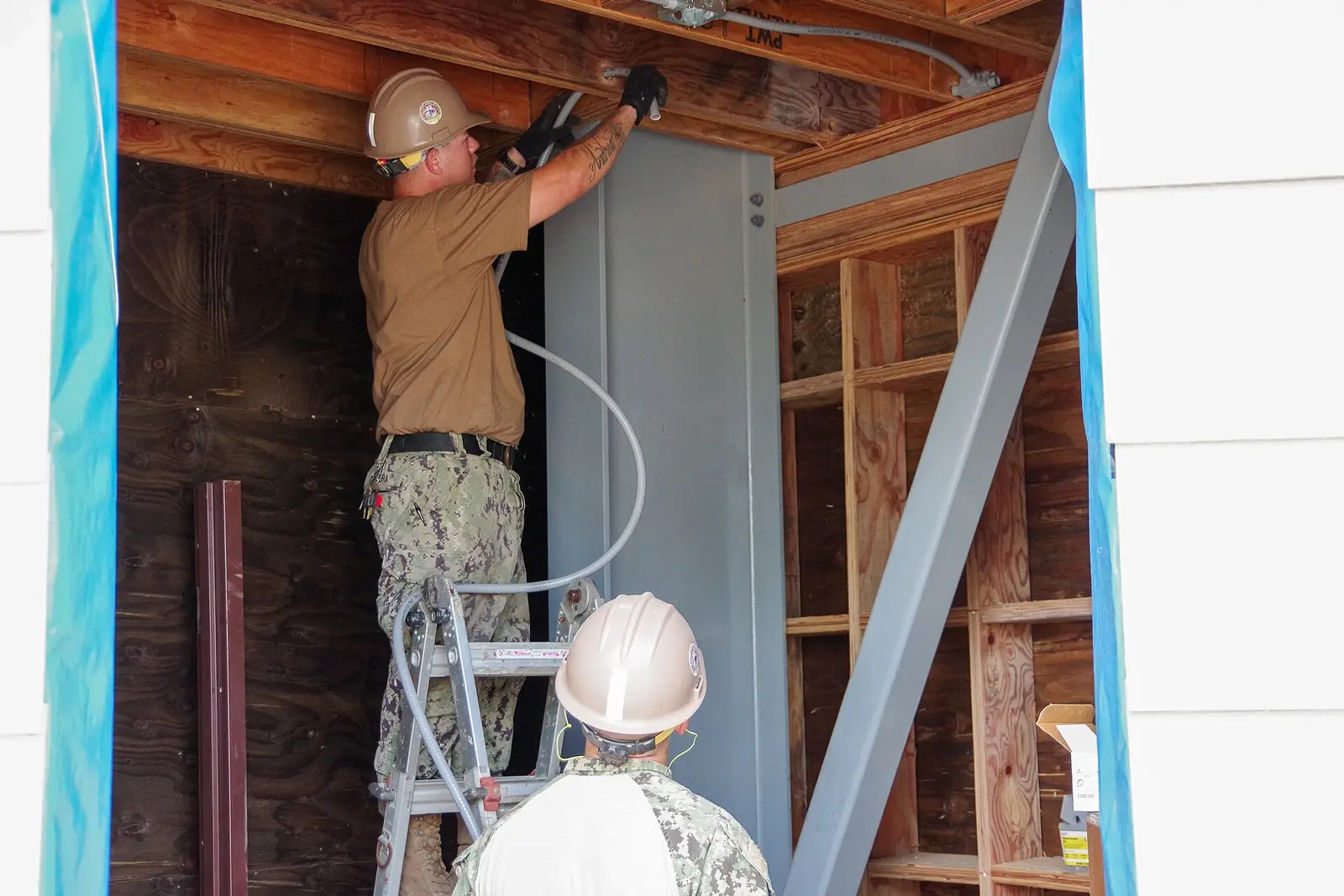
The 2026 NEC is not a single national mandate. It’s a model code that each state adopts on its own timeline. The edition enforced on your jobsite depends entirely on where you’re working.
At a glance
Spec sheet- Revision cycle
- 3 yrs
- published by the NFPA; 2026 is the newest edition
- Editions in force today
- 2017-2023
- depending on state; 2026 adoption is just beginning
- Biggest cost driver
- SPDs + AFCI
- surge protection and arc-fault coverage on residential jobs
”Latest” doesn’t mean “enforced”
The National Electrical Code is published by the National Fire Protection Association (NFPA) every three years. But states adopt new editions through their own legislative or regulatory processes, and that can take years. Right now a significant number of states still enforce the 2017 or 2020 editions, many have moved to 2023, and the 2026 edition is in the early stages of rollout.
NEC editions and where adoption stands
-
2017
Still enforced in some states
-
2020
Widely enforced
-
2023
Most common new adoption
-
2026
Early state-level rollout
◀ latest
-
2029
Next cycle
Before assuming which code applies, check your state’s adopted edition on our live NEC adoption map, which is updated as adoptions change. Working somewhere like Texas, which amends the model code? See the Texas page for state specifics.
The changes that matter, in plain English
Whether your state is on 2020, 2023, or moving to 2026, these are the changes with the largest day-to-day impact on residential and light commercial work.
GFCI protection: the scope keeps expanding
Each edition extends GFCI requirements further. The 2023 edition significantly broadened the list of covered locations, and recent editions extended protection to more indoor receptacles and even some 240V appliances that historically didn’t need it.
On the job: doing a panel upgrade or remodel? Assume the GFCI scope is broader than you remember and re-read Article 210 in the edition your AHJ enforces.
AFCI protection: whole-home coverage
Arc-fault requirements, once limited to bedrooms, now cover essentially all 120V circuits in dwelling units under the 2020 and 2023 editions, kitchens and laundry areas included. The 2023 edition also refined definitions to address nuisance-tripping complaints.
On the job: bidding new residential work means budgeting combination-type AFCI breakers on virtually every branch circuit.
Surge protection devices: now required in dwellings
One of the bigger shifts of the 2020 edition, reinforced in 2023: dwelling unit service equipment requires a listed SPD. Not a recommendation: a code requirement in states on these editions.
On the job: every new service installation and panel replacement in a dwelling needs an SPD. That’s added cost on every residential panel job, so your bids need to reflect it.
Outdoor emergency disconnects
Dwelling units served by a utility must have a way to disconnect all ungrounded conductors at an accessible outdoor location (Article 230), so first responders can de-energize the structure from outside.
On the job: this applies to new construction and can be triggered by service replacement. The trigger point depends on your AHJ’s interpretation, and many utilities publish specific guidance. Plan for it on any full service upgrade.
Tamper-resistant receptacles: beyond dwellings
TR receptacles have been required in new dwellings for over a decade. Recent editions extend the requirement into hotels, motels, and some public-access commercial spaces. Verify before receptacle replacement work in any space with public foot traffic.
EV charging infrastructure
The 2023 NEC introduced EV-ready infrastructure requirements for new dwelling construction: conduit or wiring capacity for future charging at dwelling-unit parking spaces, even when no charger is installed. Expect the 2026 edition to keep developing these provisions.
On the job: builders need to hear this early, since rough-in infrastructure may be required even when the buyer has no interest in an EV. For commercial Level 2 and DC fast-charge installs, Article 625 governs disconnects and branch circuit sizing.
Solar PV and energy storage
Article 690 (PV) and Article 706 (Energy Storage Systems) have both seen major revisions:
- Rapid shutdown for rooftop PV, an ongoing safety-driven expansion in scope
- Marking and labeling of ESS installs to inform first responders
- Battery installation rules: spacing, ventilation, disconnecting means
Moving into solar or storage work? These articles deserve focused study, plus whatever your utility layers on top for interconnection.
Reconditioned equipment
The 2023 edition added definitions and requirements for reconditioned equipment: it must meet the original listing requirements and be evaluated for continued service. Relevant if you source used switchgear or other major gear in industrial and commercial work.
At a glance: what changed and why it matters
| Change | What it affects | Why it matters |
|---|---|---|
| SPD at service equipment | All new/replaced dwelling panels | Adds cost to every residential service job |
| AFCI on all branch circuits | Residential new construction, remodels | Virtually every 120V circuit now needs AFCI |
| Outdoor emergency disconnect | New dwelling services | Changes rough-in and service install scope |
| EV-ready infrastructure | New residential construction | Rough-in required even with no charger |
| Expanded GFCI scope | Residential + commercial receptacles | More locations and equipment covered |
| Reconditioned equipment rules | Commercial/industrial used gear | Listing and evaluation now required |
What this means for your CE hours
Boards set CE requirements partly to keep licensees current with adopted editions. When your state adopts a new NEC (or is preparing to), your CE provider’s catalog will reflect it with edition-specific code-update courses.
For your state’s licensing requirements, CE hours, and currently enforced edition, start at the electrician licensing hub.
Bottom line
The NEC is a living document, and staying current isn’t optional: your license, your liability, and your customers’ safety depend on it. The highest-impact recent changes touch nearly every residential job: SPDs at panels, expanded AFCI and GFCI, outdoor emergency disconnects, and EV infrastructure. Know which edition your state enforces, know your AHJ’s amendments, and make sure your CE reflects where the code actually is, not where it was five years ago.
Informational only. This is not legal advice, and not an official government resource. Licensing rules change; always confirm against the official board source linked on this page before you renew, apply, or make a business decision. Trade Cert Hub is independent and not affiliated with any state licensing board. Some links are affiliate links, and we may earn a commission at no extra cost to you (full disclosure).
Never miss a renewal deadline
Get a reminder before your license expires, plus the year’s code and CE-rule changes for electricians. No spam, unsubscribe anytime.